
Historical Background
The Cu Chi Tunnels, located about 70 kilometers northwest of Ho Chi Minh City, are one of Vietnam’s most iconic historical sites. This vast underground network, stretching over 250 kilometers, played a crucial role during the Vietnam War as a base for Viet Cong soldiers. Today, it stands as a testament to the resilience and ingenuity of the Vietnamese people. Whether you’re a history enthusiast or simply curious, visiting the Cu Chi Tunnels is a must for anyone traveling to southern Vietnam. Here’s everything you need to know to make the most of your visit.
History and Significance
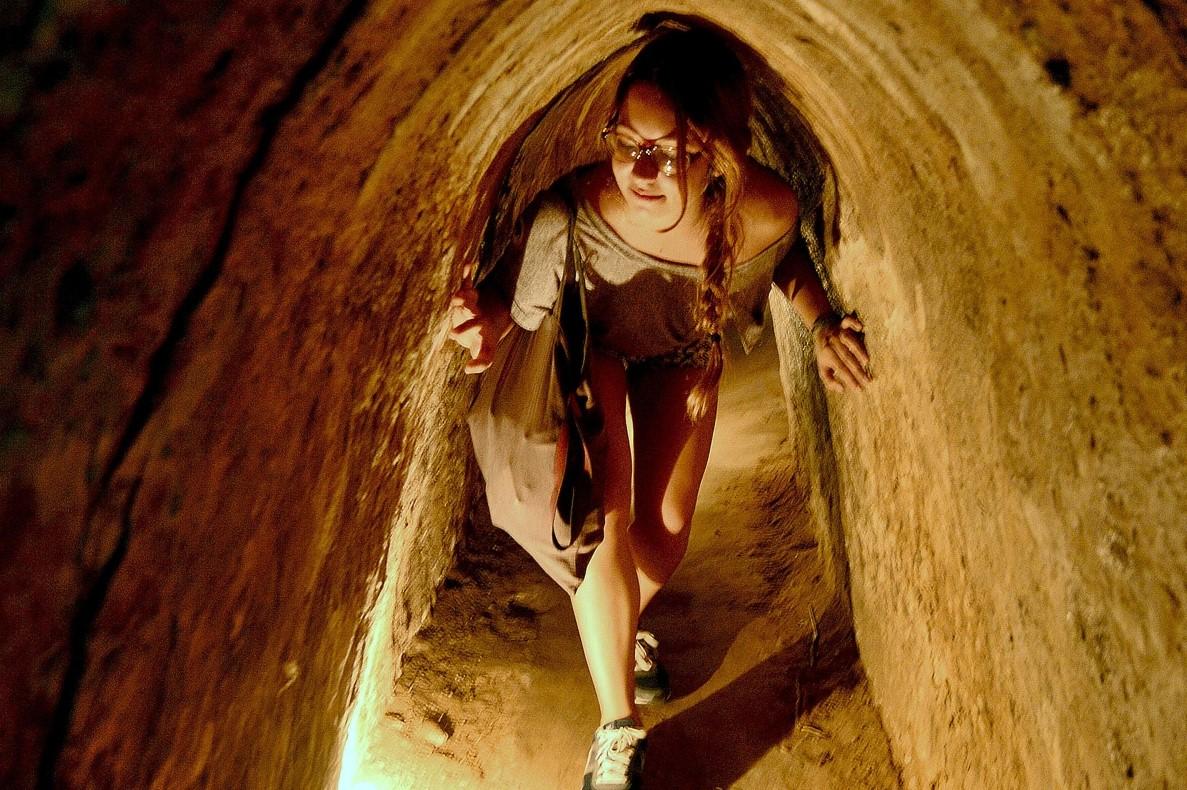
The Cu Chi Tunnels were built in the late 1940s during the French colonial period and expanded during the Vietnam War. They served as hiding spots, living quarters, supply routes, and even hospitals for Viet Cong soldiers. The tunnels were ingeniously designed with multiple levels, trapdoors, and ventilation systems, allowing soldiers to survive and fight in harsh conditions. Exploring the tunnels offers a glimpse into the resourcefulness and determination of the Vietnamese people during a tumultuous time.
The Tunnel System
Architecture and Design
- Multiple levels reaching depths of 3-12 meters
- Complex network featuring:
- Living quarters
- Command centers
- Hospitals
- Storage facilities
- Kitchens
- Meeting rooms
- Weapon factories
Engineering Features
- Sophisticated ventilation systems
- Underwater entrances through rivers
- Booby trap defense mechanisms
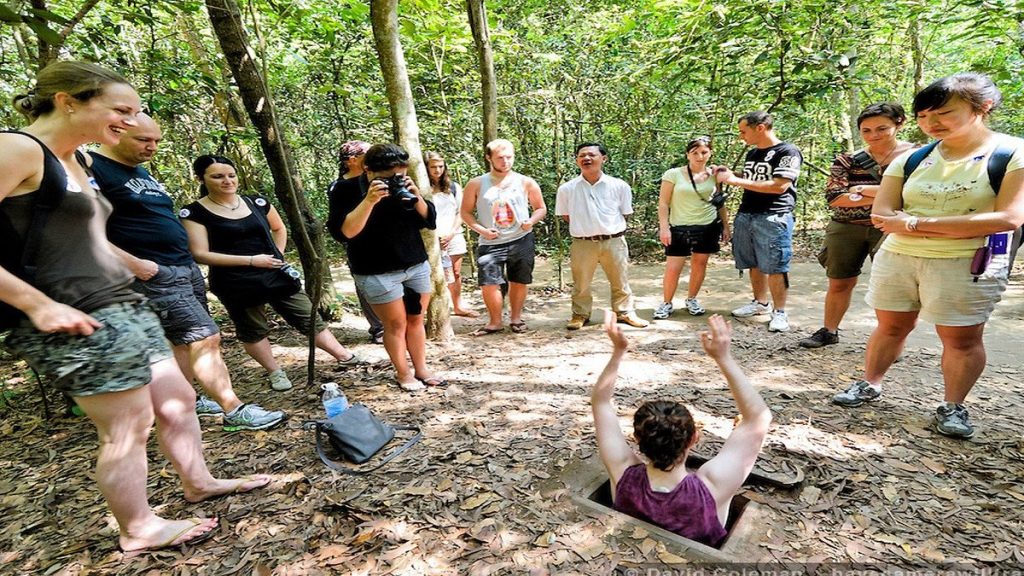
- Blast-proof trap doors
- Smoke filtering chambers
Visiting Information
Getting There
- From Ho Chi Minh City
- Organized tours (most popular option)
- Private car hire (approximately 1.5-2 hours)
- Public bus (longer but more economical)
Best Time to Visit
- Early morning (7:00-9:00 AM) to avoid crowds and heat
- Dry season (December-April) for better conditions
- Allow 2-3 hours for a complete visit
Entrance Fees (2025)
- Adults: 110,000 VND
- Children (6-12): 55,000 VND
- Children under 6: Free
What to Experience
Main Attractions
- Tunnel Exploration
- Ben Dinh section (modified for tourists)
- Ben Duoc section (more authentic but less visited)
- War Remnants Display
- American tanks
- Various weapons
- Military equipment
- Interactive Activities
- Rifle shooting (additional fee)
- Traditional tapioca tasting
- Rice paper making demonstration
Educational Exhibits
- Historical photographs
- Documentary films
- Military strategy displays
- Life-size dioramas
Practical Tips
What to Bring
- Comfortable walking shoes
- Light, breathable clothing
- Insect repellent
- Water bottle
- Camera
- Small flashlight
- Hand sanitizer
Health and Safety Considerations
- Physical Requirements
- Tunnels are narrow and can be challenging
- Not recommended for claustrophobic visitors
- Some sections require crawling
- Weather Protection
- Sun protection (hat, sunscreen)
- Rain gear during wet season
Cultural Significance
Historical Preservation
- UNESCO World Heritage Site candidate
- Important war memorial
- Educational center for future generations
Local Impact
- Major tourist attraction
- Source of local employment
- Cultural exchange opportunity
Additional Services
On-site Facilities
- Souvenir shops
- Restaurant serving local cuisine
- Rest areas
- Clean restrooms
- First aid station
Guide Services
- English-speaking guides available
- Group tours
- Private tours
- Audio guides in multiple languages
Photography Opportunities
Best Photo Spots
- Tunnel entrances
- Military equipment displays
- Demonstration areas
- Memorial sites
Nearby Attractions
Combined Trip Options
- Cao Dai Temple
- Black Virgin Mountain
- Local rubber plantations
- Traditional Vietnamese villages
Environmental Conservation
Preservation Efforts
- Tunnel maintenance programs
- Environmental protection measures
- Sustainable tourism practices
Final Tips
Making the Most of Your Visit
- Book through reputable tour operators
- Arrive early
- Listen to guide explanations
- Respect the historical significance
- Stay hydrated
- Follow safety instructions
The Cu Chi Tunnels offer an unforgettable glimpse into Vietnam’s wartime history and the incredible ingenuity of its people. This underground network stands as a testament to human resilience and determination, making it an essential visit for anyone interested in history, military engineering, or Vietnamese culture.
Remember to approach your visit with respect, as this site represents a significant period in history and remains an important memorial for many Vietnamese people.


 English
  Thai
Thai  Korean
  Chinese
  Spanish
  German
  Italian
  Vietnamese