
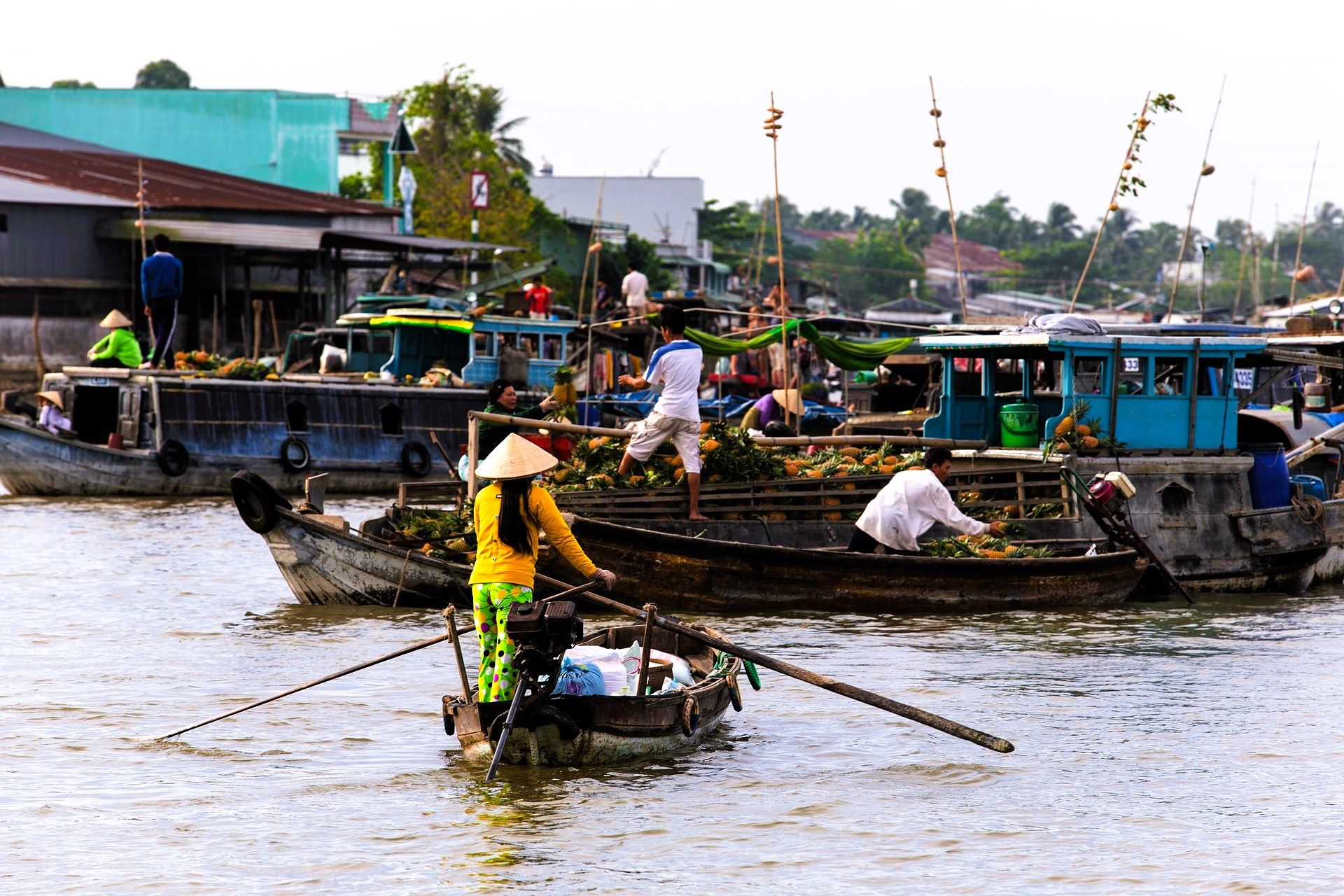
The Living Tapestry of the Nine Dragon River
The Mekong Delta—a vast maze of meandering waterways, floating markets, verdant islands, and vibrant communities—represents Vietnam’s agricultural heartland and one of Southeast Asia’s most extraordinary ecosystems. Called “Cửu Long” or “Nine Dragons” by Vietnamese, referring to the nine branches through which the mighty Mekong River completes its 4,350-kilometer journey from the Tibetan Plateau to the South China Sea, this region offers visitors a glimpse into a way of life fundamentally shaped by water.
Spanning over 40,000 square kilometers in southwestern Vietnam, the Delta produces more than half of Vietnam’s agricultural output, including the staggering 24 million tons of rice that have earned it the nickname “Vietnam’s rice bowl.” Beyond its agricultural significance, the region presents a cultural tapestry woven from Vietnamese, Khmer, Chinese, and Cham influences, creating distinctive traditions, architecture, cuisines, and lifestyles.
While many travelers would benefit from spending multiple days exploring this complex region, the reality of modern tourism means many visitors must condense their Delta experience into a single day trip from Ho Chi Minh City. This comprehensive guide will help you maximize that precious day, understanding what’s truly possible to experience, how to choose the right tour, and how to appreciate the cultural and ecological significance of what you’ll witness.
Understanding Day Trip Realities: Managing Expectations
Before delving into specifics, it’s important to understand the geographic realities that shape any Mekong Delta day trip:
Distance Considerations: Ho Chi Minh City lies approximately 130-170 kilometers from various Mekong Delta entry points, requiring a 2-3 hour journey each way. This means that even on well-organized tours, you’ll spend 4-6 hours of your day in transit.
Geographic Scope: The Delta spans thousands of square kilometers with distinctly different regions. A day trip will inevitably showcase only a small portion—typically areas in Tien Giang or Ben Tre provinces, the closest sections to Ho Chi Minh City.
Depth vs. Breadth: Day trips offer broad introductions rather than deep immersion. You’ll sample aspects of Delta life, but time constraints mean each experience will be relatively brief.
With these realities in mind, a day trip becomes not an exhaustive exploration but rather a compelling introduction to this water world—an experience that often inspires travelers to plan future, more extended visits to the region.
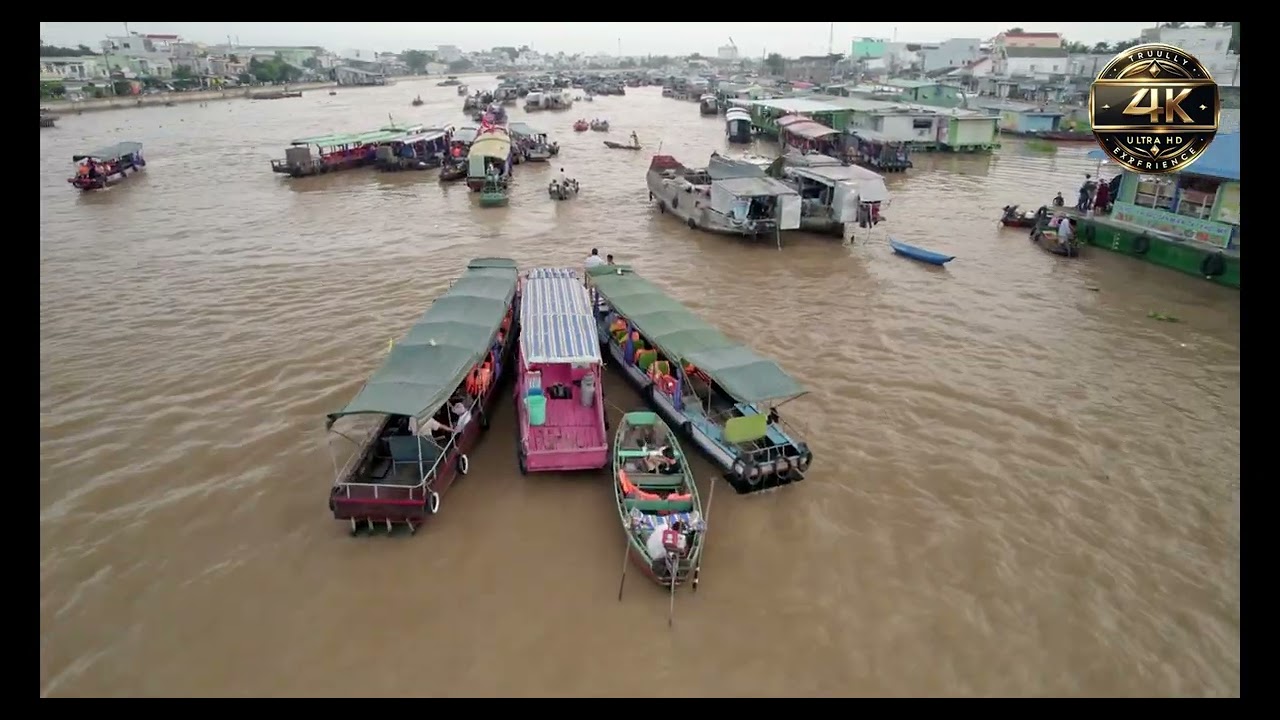
Tour Options: Choosing Your Delta Experience
The majority of visitors experience the Mekong Delta through organized tours, broadly categorized as follows:
Standard Group Tours
Characteristics:
- Large groups (15-45 participants)
- Fixed itineraries with standardized stops
- English-speaking guides addressing the entire group
- Transportation via large buses or coaches
- Cost range: $25-45 USD per person
- Pickup from major hotels or central meeting points
Best for:
- Budget-conscious travelers
- Solo travelers seeking social interactions
- First-time visitors wanting a basic introduction
- Those comfortable with a structured, efficient schedule
Limitations:
- Less flexibility and personalization
- More time spent at commercial workshops and souvenir opportunities
- Limited access to smaller waterways and authentic local interactions
- Set meal options with limited accommodations for dietary preferences
Premium Small-Group Tours
Characteristics:
- Limited participation (4-12 travelers)
- Semi-customizable itineraries with alternative options
- More knowledgeable guides with better English proficiency
- Transportation via minivans with greater comfort
- Cost range: $55-85 USD per person
- Hotel pickup from a wider range of accommodations
Best for:
- Travelers seeking balance between cost and experience
- Those wanting more personalized guidance
- Photographers needing more flexibility for shots
- Visitors interested in cultural insights beyond basic information
Advantages:
- Access to less-crowded locations
- More interactive experiences with local communities
- Greater focus on cultural experiences than shopping opportunities
- Better quality dining experiences with some dietary flexibility
Private Custom Tours
Characteristics:
- Exclusive experience for your travel party
- Fully customizable itineraries based on interests
- Dedicated guide focused entirely on your experience
- Private car or premium van transportation
- Cost range: $90-200+ USD per person (decreasing with group size)
- Pickup from any accommodation with flexible timing
Best for:
- Families with young children or elderly members
- Travelers with specific interests (photography, cuisine, agriculture)
- Those with dietary restrictions or mobility concerns
- Visitors seeking authentic connections rather than tourist experiences
Advantages:
- Complete schedule flexibility with adjustments possible during the tour
- Access to less-visited communities and waterways
- Personalized meal arrangements
- Opportunity to spend more time at preferred locations
Self-Guided Exploration
While less common, independent exploration is possible for adventurous travelers:
Requirements:
- Motorbike rental or private car arrangement
- Navigation apps or detailed maps
- Basic Vietnamese phrases
- Comfort with logistical challenges
Considerations:
- Without local connections, accessing boats and local experiences requires on-the-spot negotiation
- Time efficiency becomes challenging without pre-arrangements
- Language barriers can limit deeper understanding
- Certain areas require permits or are difficult to access independently
Recommended for: Experienced Asia travelers with previous Vietnam experience, Vietnamese language skills, and comfort with unstructured travel.
Typical Day Trip Itineraries: What to Expect
While specific tours vary, most Mekong Delta day trips follow variations of these common patterns:
Standard My Tho / Ben Tre Itinerary (Most Common)
Morning:
- 7:30-8:00 AM: Hotel pickup in Ho Chi Minh City
- 10:00-10:30 AM: Arrive in My Tho, Tien Giang Province
- Visit Vinh Trang Pagoda, an ornate Buddhist temple blending Vietnamese, Chinese, and Cambodian architectural elements
- Board a motorized wooden boat to cruise the Mekong’s main channel
- Visit an island for tropical fruit tasting while enjoying traditional folk music
- Observe coconut candy production at a local workshop
Midday:
- Lunch at a riverside restaurant featuring Delta specialties
- Brief rest period in hammocks (Vietnamese midday tradition)
Afternoon:
- Sampan (rowing boat) journey through narrow palm-lined canals
- Visit honey farms with tea tasting
- Coconut processing demonstration
- Optional short cycling tour or motorized cart ride through village paths
- Return boat journey to mainland pier
- 5:00-7:00 PM: Return to Ho Chi Minh City (depending on traffic)
Cai Be Floating Market Alternative (Extended Day)
For travelers willing to start earlier and return later:
Early Morning:
- 6:00-6:30 AM: Early departure from Ho Chi Minh City
- 9:00-9:30 AM: Arrive at Cai Be floating market
- Observe wholesale floating market activity from touring boat
- Visit tropical fruit orchards and sample seasonal fruits
- Explore rural canals by motorized boat
Midday:
- Cooking demonstration at local house
- Lunch featuring dishes prepared during demonstration
Afternoon:
- Visit traditional craft villages specializing in rice paper, pop rice, or coconut products
- Sampan journey through smaller canals
- Visit historic French-colonial mansion (Nhà Cổ Bình Thủy)
- 7:00-8:00 PM: Return to Ho Chi Minh City
Specialized Focus Tours
Premium and private tours often offer specialized focuses:
Culinary Exploration:
- Market visits to understand Delta ingredients
- Extended cooking sessions in local homes
- Specialized fruit orchard visits during harvest seasons
- Focus on distinctive Delta specialties
Photography Emphasis:
- Timed for optimal lighting conditions
- Extended time at photogenic locations
- Access to less-visited areas with unique visual elements
- Flexibility to wait for perfect shooting conditions
Cultural Immersion:
- Extended visits with local families
- Demonstrations of traditional crafts with participation opportunities
- Introduction to religious practices at less-visited local temples
- Engagement with local music and artistic traditions
Transportation Realities: The Journey Itself
Understanding transportation components helps set appropriate expectations:
Road Journey
The journey from Ho Chi Minh City to the Mekong Delta entry points involves:
Standard Bus/Van Route:
- Departure via Saigon’s congested urban districts
- Highway 1A southwest through industrial zones and suburbs
- Trung Luong Expressway for expedited travel when traffic permits
- Secondary roads as you approach Delta provinces
Duration Factors:
- Morning Ho Chi Minh City traffic (30-60 minutes to exit the city)
- Highway conditions (generally good but occasional construction)
- Weekend congestion (particularly Sunday afternoons returning to the city)
- Weather effects (heavy rain can slow travel significantly)
Comfort Considerations:
- Premium tours utilize modern vehicles with functioning air conditioning
- Rest stops are typically scheduled on journeys exceeding 2 hours
- Road quality improves yearly but still features occasional rough sections
- Motion sensitivity may be an issue for some travelers
Water Transportation
Once in the Delta, water-based transportation includes:
Large Motorized Boats:
- Wooden craft accommodating 20-40 passengers
- Covered roof providing essential sun protection
- Basic seating (cushions on premium tours)
- Used for main river channels and larger tributaries
Traditional Sampans:
- Narrow wooden rowing boats navigated by local rowers
- Capacity of 2-4 passengers
- Intimate experience through jungle-like canals
- Duration typically 20-30 minutes
Specialized Vessels:
- Premium tours sometimes feature upgraded boats with comfortable seating
- Private tours may utilize speedboats for certain segments
- Photography-focused tours often include stable platforms for equipment
Key Highlights: What You’ll Experience
Floating Markets
While full-day trips rarely reach the most spectacular floating markets (Cai Rang and Phong Dien), some tours include smaller markets:
Cai Be Floating Market:
- Wholesale fruit and vegetable trading
- Boats identifying their merchandise by hanging samples on tall poles
- Primarily active from 6:00-9:00 AM (early departure required)
- More authentic experience on weekdays than weekends
Trading Boat Interactions:
- Even outside formal markets, you’ll observe trading vessels
- Floating convenience stores selling to riverside communities
- Fresh produce boats navigating between villages
- Fuel boats servicing local water transportation
Agricultural Insights
The Delta’s agricultural productivity becomes tangible through:
Fruit Orchards:
- Depending on season: dragon fruit, mangosteen, rambutan, longan, durian, jackfruit
- Demonstration of cultivation techniques
- Tasting opportunities of seasonal produce
- Understanding of the complex orchard ecosystems
Rice Cultivation:
- Vast paddies at various growth stages (season-dependent)
- Introduction to farming techniques and water management
- Discussion of rice varieties and their characteristics
- Insights into the agricultural calendar guiding Delta life
Cultural Elements
Beyond agriculture, cultural experiences typically include:
Traditional Crafts:
- Coconut candy production using traditional methods
- Rice paper making demonstrations
- Incense crafting workshops
- Basket weaving using water coconut fronds
Religious Sites:
- Buddhist pagodas with distinctive southern Vietnamese characteristics
- Cao Dai temples representing Vietnam’s indigenous syncretic religion
- Local shrines demonstrating folk religious practices
- Discussion of how spiritual beliefs shape Delta communities
Musical Performances:
- Traditional southern Vietnamese folk songs
- Đờn ca tài tử (a UNESCO-recognized musical tradition)
- Instrumental demonstrations of distinctive regional instruments
- Opportunity to try simple instruments at some locations
Village Life Glimpses
Day trips provide windows into traditional Delta lifestyles:
Stilt Houses and Riverside Dwellings:
- Architecture adapted to annual flooding cycles
- Traditional construction methods using local materials
- Family living arrangements and multi-generational households
- Adaptations to water-based transportation
Local Industries:
- Fishing techniques and equipment
- Aquaculture operations (particularly catfish and shrimp farming)
- Handicraft production in home workshops
- Small-scale processing of agricultural products
Seasonal Variations: When to Visit
The Mekong Delta offers distinctly different experiences throughout the year:
Dry Season (December-April)
Characteristics:
- Lower water levels in canals and tributaries
- Clearer water with better visibility
- Comfortable temperatures (particularly December-February)
- Minimal rain interruptions
Advantages:
- More reliable scheduling with fewer weather disruptions
- Easier walking conditions in villages
- Better photography conditions with blue skies
- Comfortable exploration with lower humidity
Considerations:
- Busier tourist season, particularly around Tet (Lunar New Year)
- Some canals may be too shallow for boat traffic
- Dustier conditions on rural roads
- Higher prices during peak periods
Rainy Season (May-November)
Characteristics:
- Higher water levels with faster flowing currents
- Afternoon rain showers (typically 1-3 hours)
- Lush green landscapes with vibrant vegetation
- Fewer tourists at major sites
Advantages:
- Dramatically photogenic landscapes with reflections
- Ability to access more canals due to higher water
- Abundant tropical fruit harvests
- More authentic experiences with fewer tour groups
Considerations:
- Potential for schedule disruptions due to heavy rainfall
- Muddier conditions in villages and at sites
- Higher humidity levels
- Occasionally rougher water conditions on main channels
Special Seasonal Highlights
Flooding Season (August-October):
- Not the constant inundation many imagine, but controlled flooding of certain areas
- Unique floating markets specifically active during this period
- Special fishing techniques only practiced during high water
- Traditional celebrations related to water level changes
Harvest Festivals:
- Oc Om Bok (November full moon): Khmer festival with moon worship and racing
- Rice harvest celebrations (varies by season and region)
- Local fruit festivals celebrating specific harvests (durian, mangosteen, etc.)
Flower Seasons:
- Apricot blossoms (January-February)
- Water lily harvest (September-November)
- Lotus blooming period (June-August)
Culinary Experiences: Tasting the Delta
One highlight of any Mekong Delta trip is experiencing the region’s distinctive cuisine:
Signature Dishes
Most tour lunches feature a selection of Delta specialties:
Elephant Ear Fish (Cá Tai Tượng):
- Whole fish deep-fried and served upright
- Accompanied by rice paper, herbs, and dipping sauce
- Interactive dining experience where guests make their own rolls
- Crispy exterior with tender flesh inside
Caramelized Fish in Clay Pot (Cá Kho Tộ):
- Fish simmered with caramel, fish sauce, and black pepper
- Intensely flavorful preparation showcasing Vietnamese food philosophy
- Traditionally served in a clay pot that retains heat
- Eaten with steamed rice to balance the rich flavors
River Prawns:
- Grilled or steamed with salt and chili
- Sweet flesh characteristic of freshwater crustaceans
- Often served with a lime-pepper-salt dipping sauce
- Size varies by season and source
Seasonal Vegetables:
- Water spinach stir-fried with garlic (Rau Muống Xào Tỏi)
- Elephant ear plant in sour soup (Canh Chua Bạc Hà)
- Lotus stem salad with shrimp and pork (Gỏi Ngó Sen)
- Various preparations utilizing Delta-grown produce
Fruit Experiences
The Delta’s nickname “the kingdom of tropical fruits” is well-earned:
Seasonal Tastings:
- Year-round: Coconut, banana, papaya
- December-February: Strawberry, tangerine, grapefruit
- March-May: Mango, jackfruit, pineapple
- June-August: Lychee, longan, mangosteen
- September-November: Dragon fruit, rambutan, durian
Preparation Styles:
- Fresh-cut fruit platters
- Fruit dipped in chili-salt mixture
- Fresh coconut water served in the shell
- Fruit preserves and candied preparations
Beverage Specialties
Distinctive Delta drinks often feature:
Herbal Teas:
- Honey-lemongrass infusions
- Lotus tea with distinctive floral notes
- Herbal medicinal preparations
- Chrysanthemum tea sweetened with local honey
Alcoholic Options:
- Rice wine (Rượu) with infused fruits or herbs
- Coconut wine (specialty of Ben Tre province)
- Snake wine (rice liquor with preserved snake)
- Fruit wines made from various local harvests
Practical Preparation: Essentials for Comfort
What to Wear
Thoughtful clothing choices enhance comfort in the tropical Delta:
Recommended Attire:
- Lightweight, breathable fabrics (cotton, linen, technical quick-dry)
- Loose-fitting garments allowing air circulation
- Long sleeves and pants for sun protection (despite heat)
- Wide-brimmed hat with secure fastening
- Comfortable walking shoes that can get wet or muddy
- Sunglasses with secure strap
Modesty Considerations:
- When visiting religious sites, shoulders and knees should be covered
- Remove hats when entering temples and pagodas
- Remove shoes when entering homes or religious buildings
Seasonal Adjustments:
- Rainy season: Quick-dry fabrics and packable rain jacket/poncho
- Hot season (March-May): The lightest possible materials with sun protection
- Cooler season (December-January): Light sweater or jacket for morning boat rides
Essential Items
Beyond clothing, these items significantly improve the experience:
Sun Protection:
- High-SPF, water-resistant sunscreen
- Lip balm with sun protection
- Cooling face mist for heat relief
Comfort Enhancers:
- Hand sanitizer or wet wipes
- Tissue packets (restroom supplies can be inconsistent)
- Personal water bottle (though tours typically provide water)
- Small hand towel for perspiration in high humidity
- Basic first-aid supplies including anti-diarrheal medication
Documentation:
- Printed or digital tour confirmation
- Hotel business card (for return transportation)
- Small cash in Vietnamese Dong for personal purchases
- Copy of travel insurance information
Photography Considerations
For capturing the Delta’s distinctive imagery:
Equipment Recommendations:
- Weather-protected camera (or protective cover)
- Polarizing filter to reduce water glare
- Zoom lens for wildlife and distant subjects
- Smartphone with water-resistant case
- Spare batteries and memory cards
Protection Measures:
- Waterproof bag or case for equipment
- Lens cleaning cloth (humidity creates frequent fogging)
- Silica gel packets to absorb moisture
- Plastic bags for quick weather protection
Cultural Insights and Etiquette
Understanding local customs enhances interactions and shows respect:
Respectful Interactions
When Visiting Homes:
- Remove shoes before entering
- Accept offered tea even if just taking a ceremonial sip
- Greet the eldest person first
- Ask permission before photographing people
- Small gifts (fruit, sweets) are appreciated but not expected
Religious Sites:
- Walk clockwise around Buddhist shrines
- Avoid pointing feet toward religious figures
- Maintain a quiet, respectful demeanor
- Ask before photographing monks or nuns
- Modest dress required (shoulders and knees covered)
Communication Tips
Useful Vietnamese Phrases:
- “Xin chào” (sin chow) – Hello
- “Cảm ơn” (kam un) – Thank you
- “Xin lỗi” (sin loy) – Excuse me/Sorry
- “Bao nhiêu?” (bow nyew) – How much?
- “Đẹp quá” (dep wah) – Very beautiful
Non-verbal Communication:
- Smile and nod to acknowledge kindness
- Avoid physical contact beyond handshakes
- Present and receive items with both hands
- Keep voice levels moderate, especially when excited
Beyond the Day Trip: Extended Options
For those inspired by their day trip introduction, consider these extended experiences:
Overnight Delta Experiences
Homestay Options:
- Family-hosted accommodations in traditional Delta homes
- Participation in family meals and daily activities
- Cultural exchange opportunities with hosts
- Authentic morning experiences before day-trippers arrive
Boutique Lodges:
- Eco-friendly accommodations integrated with Delta environments
- Higher comfort level while maintaining authentic experiences
- Usually located in more remote, less-visited areas
- Specialized activity programs unavailable to day visitors
Deeper Delta Exploration
Can Tho Base:
- Vietnam’s fourth-largest city serves as an excellent Delta hub
- Early morning visits to Cai Rang floating market
- Access to Phong Dien floating market (more traditional)
- Bird sanctuaries and wetland ecosystems
Chau Doc Region:
- Near the Cambodian border with unique cultural influences
- Cham Muslim communities with distinctive traditions
- Sam Mountain for panoramic Delta views
- Tra Su Forest with its magnificent flooded cajuput forest
Responsible Tourism Considerations
The Mekong Delta faces significant environmental challenges that conscientious travelers should understand:
Environmental Impacts
Climate Change Threats:
- Rising sea levels causing saltwater intrusion
- Changing precipitation patterns affecting agriculture
- Increased extreme weather events disrupting traditional lifestyles
Development Pressures:
- Upstream dams altering water flow and sediment distribution
- Agricultural intensification including increased chemical use
- Plastic pollution in waterways
Supporting Sustainable Tourism
As a visitor, consider these practices:
Environmental Choices:
- Decline single-use plastics when possible
- Support tours emphasizing environmental education
- Purchase products using sustainable packaging
- Consider carbon offset options for your journey
Social Responsibility:
- Purchase directly from producers when possible
- Respect photography guidelines and permissions
- Support community-based tourism initiatives
- Consider fair compensation for services and products
Selecting the Right Tour Operator
With countless companies offering Mekong Delta tours, consider these factors:
Quality Indicators
Look for operators who:
- Employ guides from Delta communities with deep local knowledge
- Maintain smaller group sizes with personalized attention
- Include less-commercialized sites in their itineraries
- Demonstrate environmental awareness in operations
- Provide clear details about included meals and activities
Booking Options
Advance Online Booking:
- Provides time to research and compare options
- Often offers early booking discounts
- Guarantees availability during high season
- Allows for detailed communication about preferences
In-Person Booking in Ho Chi Minh City:
- Opportunity to meet representatives and ask detailed questions
- Potential for last-minute discounts
- Ability to negotiate customizations
- Accommodation of last-minute travel decisions
Hotel Concierge Services:
- Convenience of in-house arrangements
- Established relationships with quality providers
- Recourse through hotel if issues arise
- Often access to premium or exclusive options
Conclusion: The Delta’s Enduring Appeal
A day trip to the Mekong Delta offers merely a sample of this extraordinary region—a first chapter in what could become a much longer story of exploration. Within the constraints of a single day, visitors glimpse a world where water defines existence, where agricultural abundance creates distinctive cultural patterns, and where traditional lifestyles persist alongside rapid development.
Many travelers find themselves planning return visits before they’ve even completed their day tour, drawn by the Delta’s distinctive rhythm and the warm hospitality of its people. Whether you’re captivated by the photogenic beauty of narrow canals, intrigued by the complex agricultural systems, or simply enchanted by the relaxed pace of river life, the Mekong Delta offers a necessary counterpoint to Vietnam’s increasingly modernized urban centers.
As you return to Ho Chi Minh City after your day in the Delta, you carry with you not just photographs but a deeper understanding of the agricultural foundation that has sustained Vietnamese civilization for centuries—and the resilient communities that continue to adapt to a changing world while maintaining their distinctive cultural identity.
The Mekong Delta isn’t merely a tourist destination but a living, working landscape where people have developed extraordinary adaptations to life in one of Earth’s most productive yet challenging environments. A day spent exploring this water world provides insights that transform one’s understanding of Vietnam far beyond what any urban experience could offer.


 English
  Thai
Thai  Korean
  Chinese
  Spanish
  German
  Italian
  Vietnamese